
TPU Filament
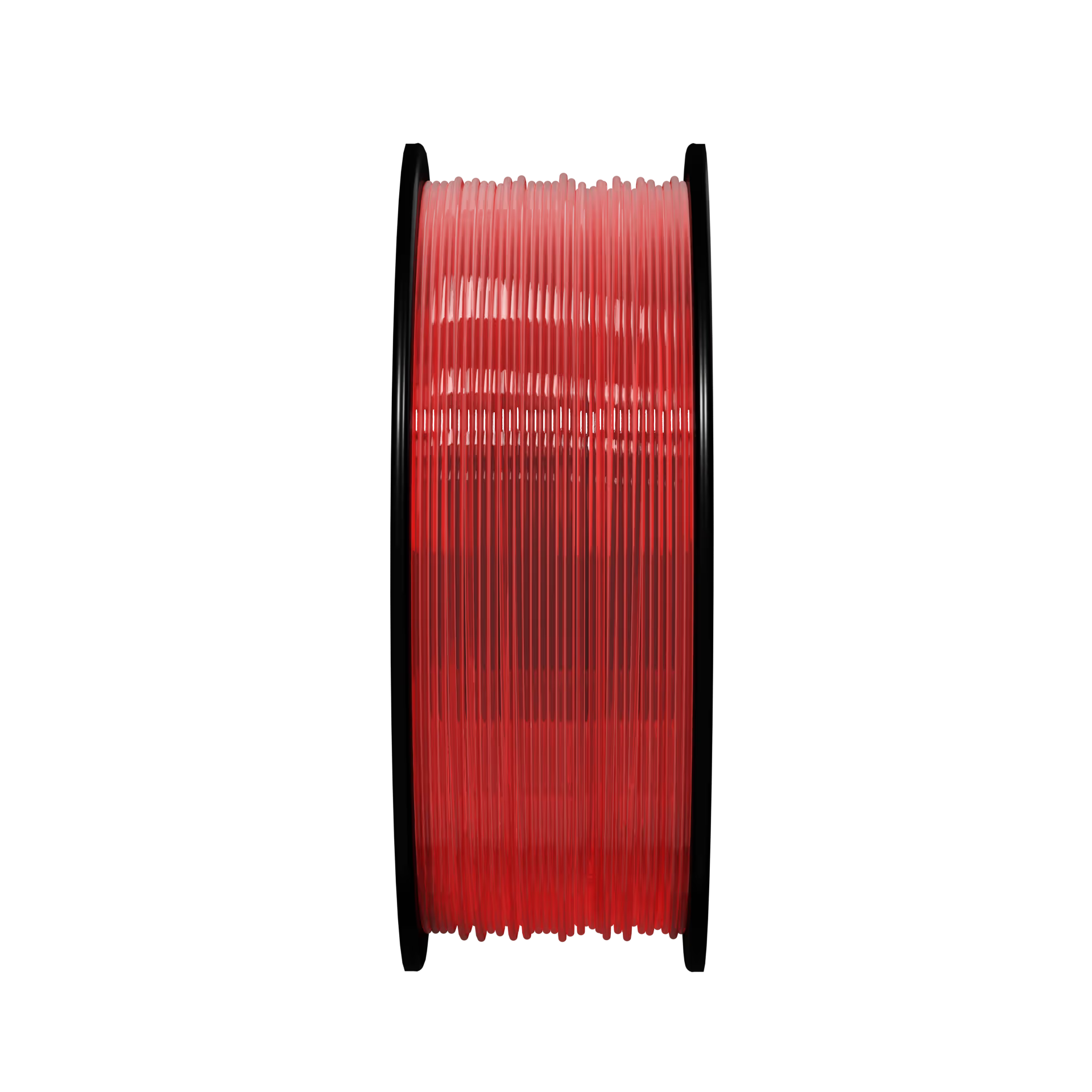
TPU is a flexible filament with rubber-like elasticity. It resists abrasion and impact and works well for phone cases, gaskets, wearables and parts that need to be soft and durable. We stock 8 TPU products in 7 colours, from 240 SEK per kilo.
10 identical products: 90 SEK offApplied automatically at checkout, no code needed.
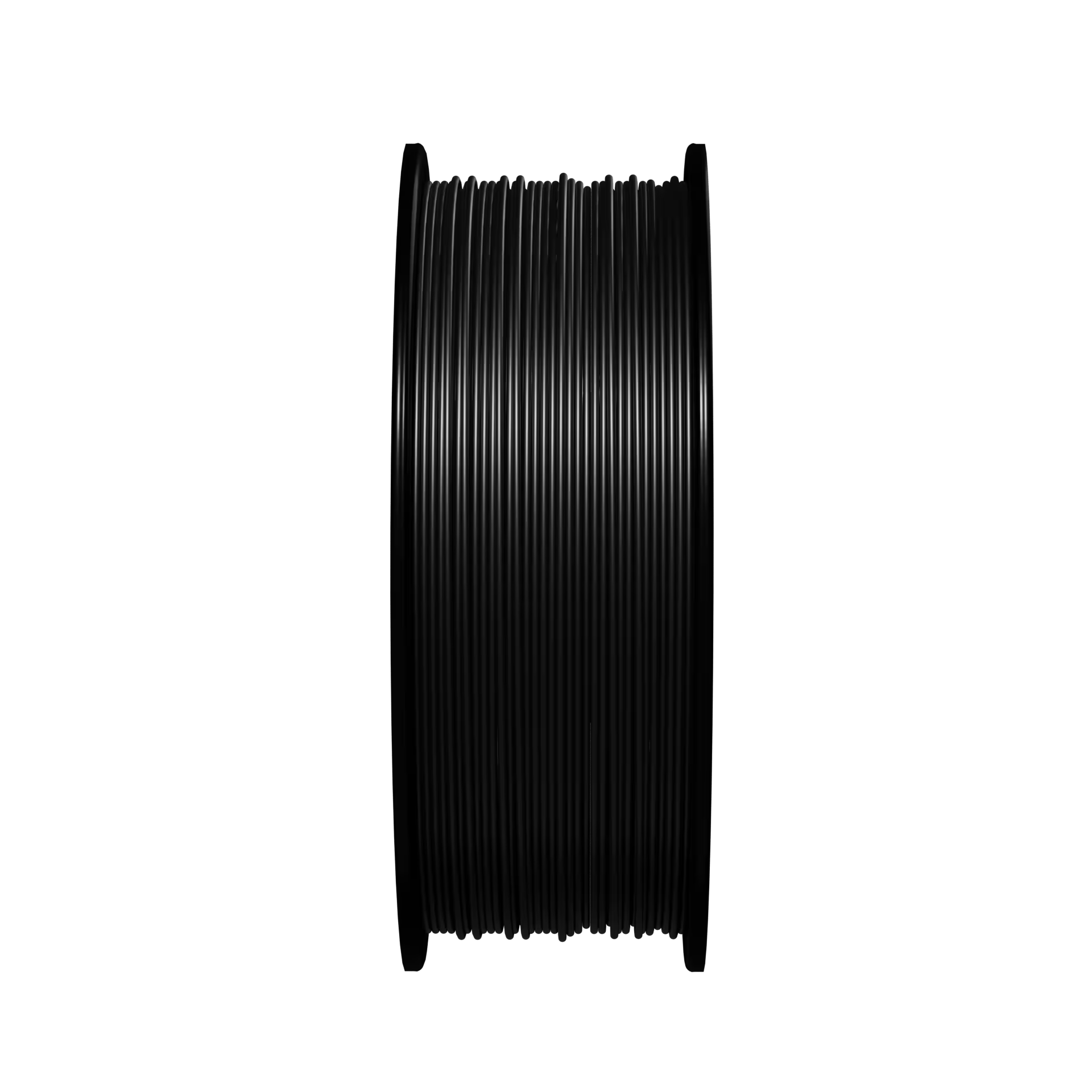
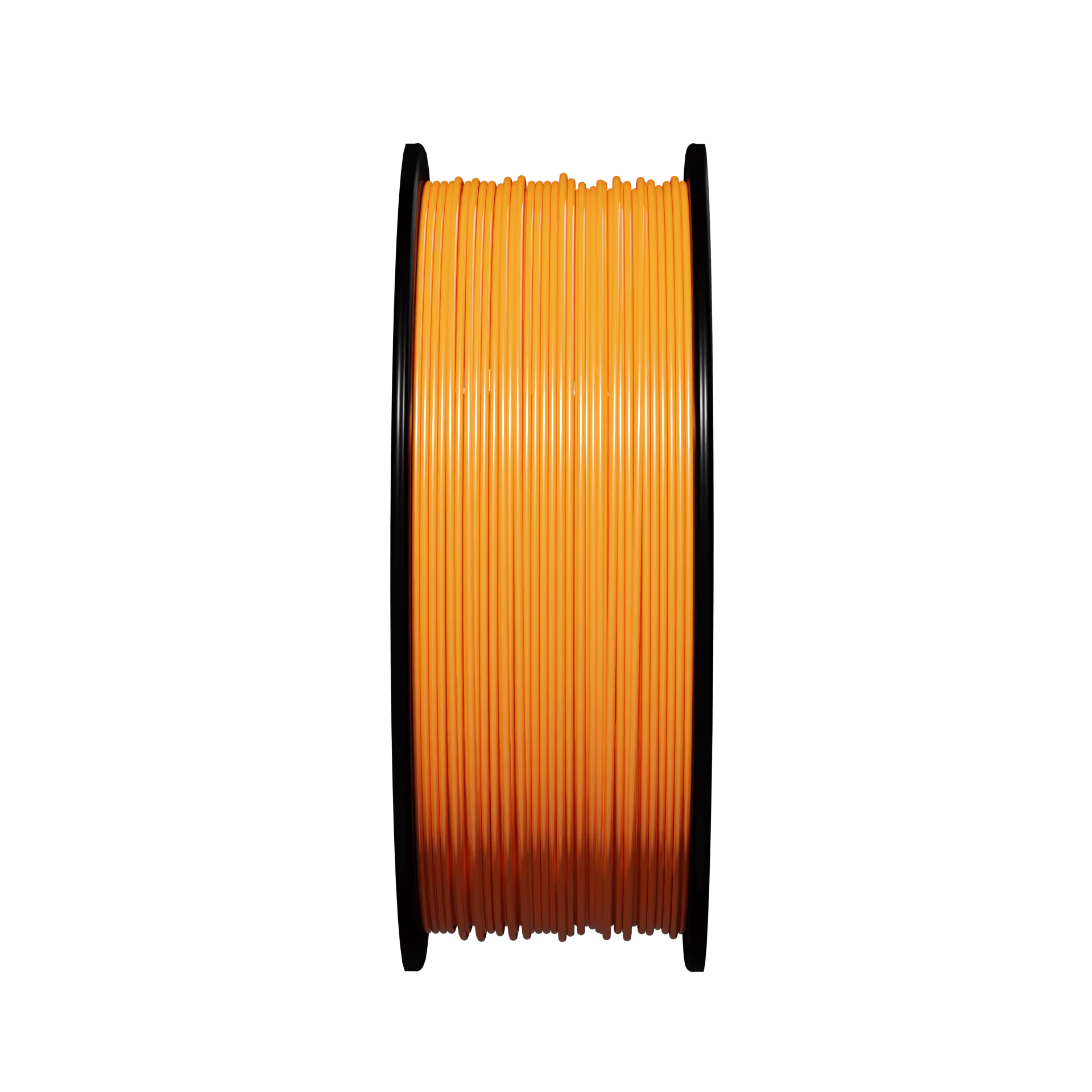
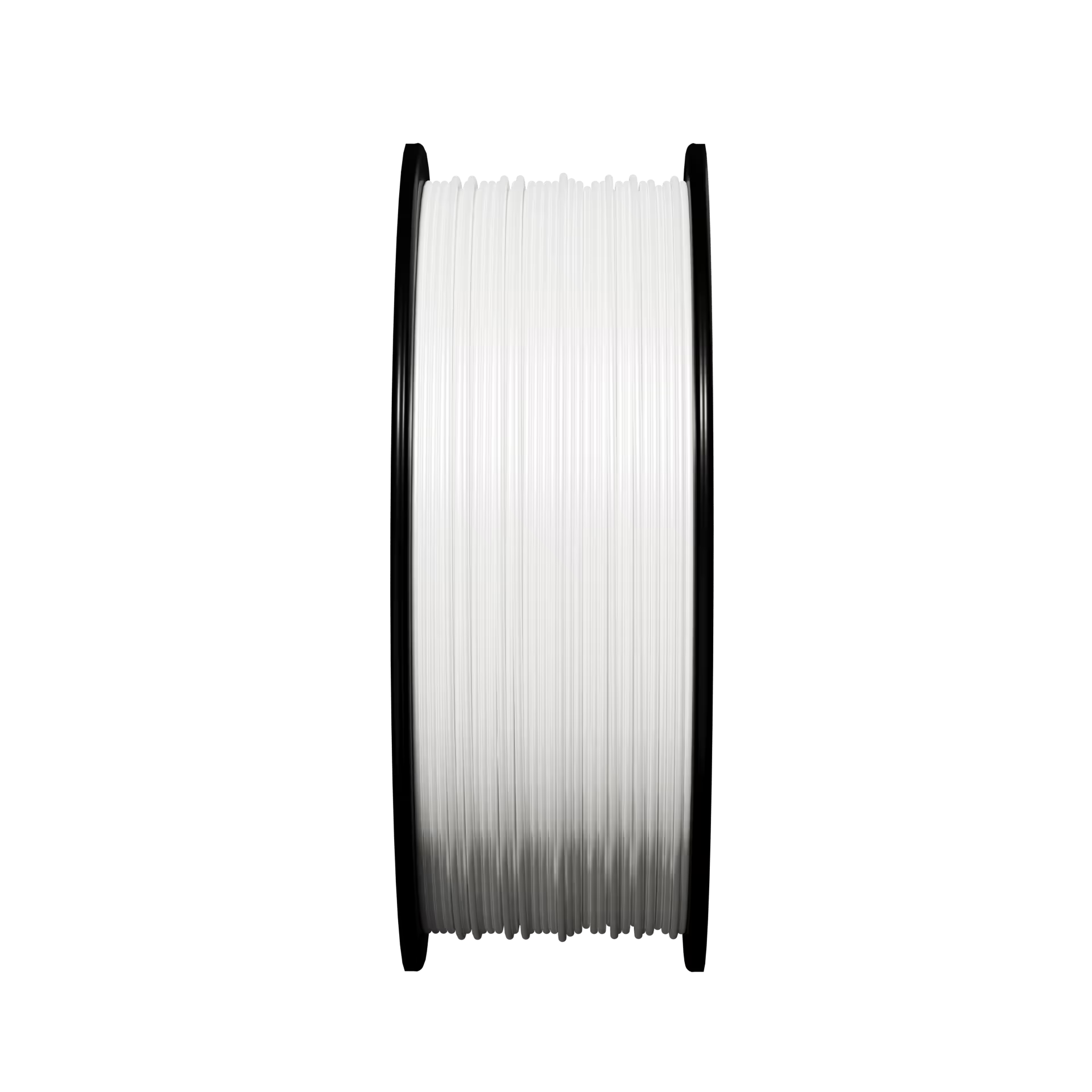
Nothing matches the filter
Try a broader colour or another material.
Which TPU should you choose?
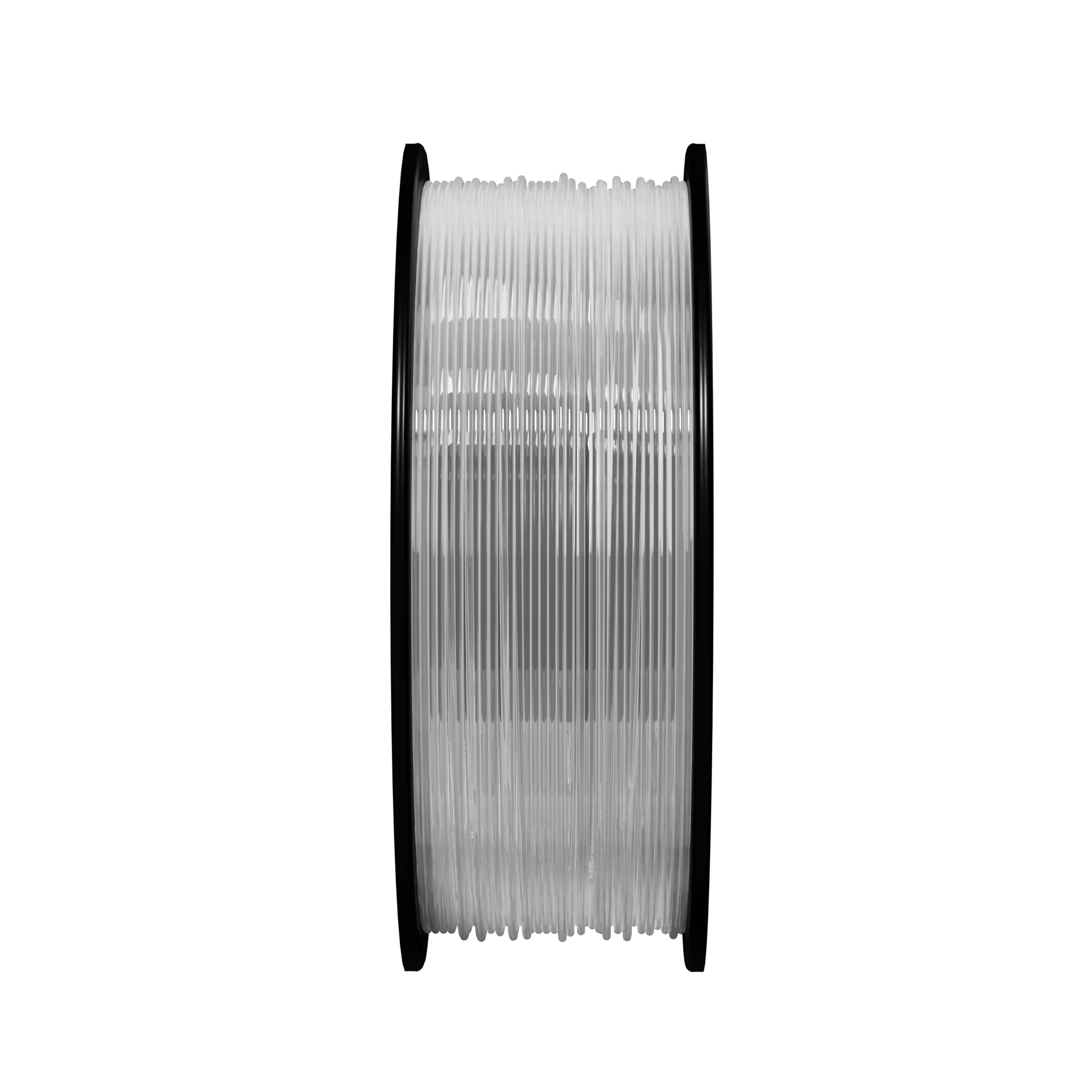
Classic TPU (from 240 SEK, Shore 95A) is the standard choice and gives the typical soft, bendable feel. Transparent TPU (from 240 SEK) is just as flexible but lets light through, and is often used for protective covers and design details. TPU 70D is a harder, stiffer variant. It is less flexible but more wear-resistant and stronger, and suits technical parts.
TPU 95A versus 70D, according to our data sheets: Classic TPU (Shore 95A) has 400 % elongation at break and prints at 200–230 °C with a bed temperature of 25–75 °C. TPU 70D is harder and stiffer, with 380 % elongation at break and a glass transition temperature of −24 °C (it stays flexible above that), and it prints hotter, at 230–260 °C on a 50–80 °C bed, at up to 70 mm/s. Both are 1.75 mm. The data sheets are available as PDFs on every product page. The settings step by step are in our guide to printing TPU.
Specifications
Frequently asked questions about TPU
Our classic TPU has a hardness of 95A on the Shore A scale and an elongation at break of 400 %, so it is clearly rubbery and very stretchy. If you want something stiffer, there is TPU 70D, which is harder and more wear-resistant.
With us, classic TPU costs from 240 SEK per kilo and transparent TPU from 240 SEK, for a 1 kg spool including VAT. TPU 70D costs 340 SEK for an 800 g spool.
Flexible filament needs a low speed. Print at 30–60 mm/s and 200–230 °C. A direct drive extruder works better than a Bowden setup, because otherwise the filament buckles inside the tube. Read our guide to printing TPU for step-by-step settings.
For parts that need to flex and resist wear: phone cases, gaskets, seals, wearables, wheels and shock-absorbing parts.
95A is the classic TPU: soft and rubbery with 400 % elongation at break. 70D is harder and stiffer, less flexible but more wear-resistant and stronger, and suits technical parts. It stays flexible above its glass transition temperature of −24 °C.
Classic TPU 95A: 200–230 °C, bed temperature 25–75 °C and 30–60 mm/s. TPU 70D: 230–260 °C, bed temperature 50–80 °C and up to 70 mm/s, according to our data sheets.


